
Feeding Hummingbirds by Hand
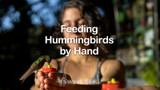
Few experiences can be as enchanting for birders as feeding hummingbirds by hand. While it may seem impossible to tempt these tiny birds so close, it actually isn’t too hard to bring hummingbirds in for a quick sip – with the right technique and plenty of patience.
5 Steps to Feed Hummingbirds By Hand
It does take dedication and perseverance to hand-feed hummingbirds, and you have to be sure the birds are accustomed to your presence in a hummingbird-friendly habitat. With five simple and gradual steps, you can have these glittering feathers right in the palm of your hand.
1. Create a Hummingbird-Friendly Yard
You can’t feed hummingbirds by hand if there are no hummingbirds nearby. Before you try to bring these birds right to you, you have to be sure they feel welcome and comfortable in your yard. Plant nectar-rich flowers such as bee balm, salvia, columbine, coneflowers, or petunias to create a colorful and tasty way to catch the birds’ attention. Minimize or eliminate pesticides so hummers can also snack on gnats and other insects, an important source of protein in their diet. Provide a mister for bathing, appropriate perches for standing guard, and sheltered nesting spots. Finally, be sure there are several hummingbird feeders available so these birds will get used to snacking from different feeder styles while they enjoy your hospitality.
2. Accustom the Birds to Your Presence
Once you know hummingbirds are regular visitors in your yard, you want them to feel safe and comfortable around you. Sit in the yard, walk around the space, and generally be active while hummingbirds are feeding. At first, stay on the opposite side of the yard from the birds, giving them plenty of space so they don’t feel threatened by your activity. Gradually get closer to the birds, but avoid any fast or sudden movements. While you’re in the yard, be sure to wear bright colors that the birds will still notice, and ideally, wear the same bright shirt or hat every time so it becomes a part of their world that they are familiar with.
3. Begin Slowly Removing Feeders
As hummingbirds feel safe and comfortable in your yard, begin gradually removing feeders and permitting flowers to go to seed (or else wait until late in the season when flowers will naturally die off). This will narrow where the birds can get their snacks, concentrating their activity in smaller parts of the yard. Leave the feeders closest to where you plan to attempt your hand-feeding intact, so hummingbirds will begin to feed closer to that location more frequently. At the same time, keep being active in the yard closer to those remaining feeders. At this time, be sure you have your comfortable, hand-feeding space set up with a footstool, armrest, and support for your hand so when you are ready to tempt the birds even closer, they will be familiar with the setup.
4. Further Narrow the Space and Begin Sitting Nearby
Continue removing feeders and flowers so only one is left, and gradually move it closer and closer to where you will sit to feed the hummingbirds – standing isn’t recommended, as it can take quite awhile for hummingbirds to approach and it will be important for you to keep still and comfortable. Begin sitting in the space, quietly and calmly, while the birds are feeding. At this point, the sole remaining hummingbird feeder should be 5-10 feet away from your seat, but you will gradually move it closer and closer, until it is just 2-3 feet away. You should be wearing the same bright clothes or hat so the birds notice your presence and get used to you sitting close as they sip.
5. Put the Feeder in Your Hand
Finally, place the feeder directly in your hand, holding it still and level and wait for the birds to visit. You will want to move as little as possible, so be sure you are at a comfortable height and in a relaxed posture. After hummingbirds might take a quick sip or two from the feeder, you can move your fingers into position as a convenient perch, or switch to a smaller feeder such as a ring feeder, baby food jar feeder, or even just a red bottlecap with a small splash of nectar. If you are patient and consistent, the hummingbirds will feel safe and secure enough to continue visiting with no interruption to their feeding schedule.
It takes great patience and can take a good amount of time to successfully feed hummingbirds by hand, but there is no other feeling like one of these tiny, delicate birds fluttering less than an inch away. Even better if they will gradually feel safe enough to land on your finger for a brief respite, though they’re so light – less than the weight of a nickel – that you may not even feel their touch beyond a light tickle. But that is a tickle you’ll always remember and cherish, making it well worth the effort to make this personal connection with such a precious bird.