
Helping Nesting Hummingbirds
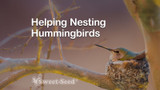
What an amazing treat it can be to witness the growth and maturation of hummingbird chicks! Fortunately, hummingbirds easily nest near humans – they don’t need a ton of space, after all. If you take thoughtful steps to help nesting hummingbirds, you may find yourself with a tiny feathered family taking up residence nearby.
Do Hummingbirds NEED Help When Nesting?
While such small birds may seem delicate, it’s important to note that hummingbirds are fierce and energetic, easily capable of nesting on their own. The female hummingbird does all the work to build the nest, incubate the eggs, and raise the chicks, as male hummingbirds are not involved in rearing the next generation after mating.
Offering assistance to nesting hummingbirds, however, can help make the stressful process easier. This can help ensure healthier, stronger chicks that survive to maturity, and will even bring the next generation of hummingbirds back for new nests in the future.
Three Phases of Helping Nesting Hummingbirds
The best way to help nesting hummingbirds and chicks is to ensure their needs can be easily met as the nest is being built, the eggs are being incubated, and the chicks are growing. During each of these phases, the best ways to help can vary.
Building the Nest
As a soon-to-be mother hummingbird is building her nest, it can be very helpful to have clean, dry, safe nesting material nearby. Natural cotton fluff is ideal, and these birds also make liberal use of spider silk to bind their nests together yet keep them flexible as chicks grow and move. Lichen and moss in the yard will also be attractive nesting materials, and hummingbirds will even use finely chopped grass clippings. Avoid pesticide and chemical use that could contaminate nesting materials and might endanger hummingbirds.
While hummingbirds are not cavity-nesters and will not nest in bird houses, it is possible to provide safe, sheltered locations for these birds to build nests. Simple shelves underneath eaves or awnings may be attractive, while minimizing pruning of trees and dense shrubbery will protect natural nesting sites.
During Incubation
In general, hummingbirds incubate their eggs for 14-23 days, depending on the species and the local environmental conditions. During that time, the female hummingbird spends most of her time on the nest, keeping the eggs safe and warm. This incubation is typically in late spring or through the summer months, which can be challenging on hot days or when storms may threaten the nest.
To help the mother hummingbird, planting nectar-rich flowers is a great option as a food source that will continually regenerate itself no matter if you have a summer vacation planned or might be busy with other commitments. Adding a small fountain, mister, or dripper to the yard is also helpful so the mother hummingbird can quickly bathe and keep cool during the incubation period. Of course, shade over the nest will also help, but take care not to install any cover too closely in case it might hinder the mother hummingbird from coming and going, and do not stress her by getting too close to the nest.
After the Eggs Hatch
Baby hummingbirds need dedicated care to stay strong and healthy as their feathers emerge and they grow large enough to move out on their own. It takes 18-25 days for baby hummingbirds to take off, and in that time they will need frequent feeding, cleanup, and even nest repair as they stretch the structure. To help a mother hummingbird adequately nourish her ravenous chicks, providing plenty of food and water is essential.
Native flowers are an especially good choice, as not only will the mother hummingbird have a steady food source, but when the young birds do begin to venture out of the nest they will learn to recognize what types of flowers they can rely on. A fresh water supply will still be helpful as well.
The tiny noises of vulnerable chicks can be very alluring to predators at this stage. Good baffles and other protections should be in place to protect the nest. Furthermore, a cover – placed several feet above the nest so as not to stress the birds – can keep rain from drenching the nest, which could be disastrous to baby hummingbirds before their full feathers develop.
What Hummingbirds Always Need
At any stage of nesting, clean, fresh nectar and abundant feeders can be amazingly helpful to hummingbirds. While natural flowers are a great source, a feeder is an easy and convenient food source for a fast visit, especially if it is near the nest and the mother hummingbird doesn’t have to wander too far for a full meal.
Multiple feeders will be even better, as hummingbirds can be fiercely competitive. Rather than using up energy to chase away perceived intruders, if there are several feeders spread through the yard, the birds will feed more comfortably and none will leave hungry.
With care for the entire nesting period, it’s easy to nurture nesting hummingbirds and help the next generation succeed. Year after year, your hummingbird flock will grow!