
Hummingbird Feeders as Emotional Therapy and Stress Relief
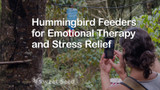
Feeding hummingbirds can be more than just a fun hobby and a way to get good looks at these tiny, fast-moving birds. As a connection to nature that flies right to you, feeding hummingbirds can be great stress relief and emotional therapy, improving mental health in unexpected and surprising ways.
Hummingbird Feeding and Mental Health
More and more studies from medical and mental health journals, organizations, and research centers are finding that time in nature has tremendous benefits for mental health and overall well-being. Enjoying the outdoors, even just a few minutes a day, can help ease anxiety and depression, lower blood pressure, improve sleep quality, decrease frustration, manage anger, and overall improve mood. Even creativity, memory, and mental faculties can be improved with regular time in nature.
Fortunately, that time doesn’t have to be spent on lengthy hikes, strenuous mountain climbing, or low-impact camping getaways. Just having a simple connection to nature through a bird feeder can have similar benefits. Furthermore, nectar feeders bring some of the most charming and beautiful birds right to you, making it an easy, convenient way to engage with nature right in your own yard.
Who Can Benefit from Feeding Hummingbirds?
Anyone of any age can enjoy the mental and emotional benefits from feeding hummingbirds. Putting up a nectar feeder can be especially helpful, however, for individual with certain life circumstances or medical conditions, such as…
- Anyone who works from home and may not have co-worker interactions
- Those with mobility challenges who may have fewer outdoor opportunities
- Residents of nursing homes or memory-care facilities
- People who suffer from social anxiety or agoraphobia
- Anyone without the yard or garden for a larger, more extensive feeding station
- Students learning life skills and personal responsibility
Because hummingbirds are widespread, a nectar feeder can be a great way to interact with these flying jewels in urban, suburban, or rural areas. Even if you’ve never fed birds before, adding a hummingbird feeder to your space can help you reap the benefits these birds provide.
Tips to Get the Most Mental Benefits from Feeding Hummingbirds
The key to enjoying emotional therapy and stress relief as hummingbirds visit is to make feeding hummers as easy as possible. Otherwise, you may just be adding more stress and anxiety to your already overwhelming circumstances!
To begin enjoying the mental benefits of feeding hummingbirds…
- Choose an easy-to-clean hummingbird feeder. A dishwasher-safe model may be best, or at least one that is simple to disassemble.
- Make or buy nectar in bulk so you don’t have to make it as frequently. Nectar can be safely stored for at least two weeks in the refrigerator.
- Position hummingbird feeders in locations that are easy to see for great views of the birds, as well as easy to access for refills and cleaning.
- Keep a good field guide on hand if you might see different hummingbird species so you can identify which visitors enjoy the feeder.
- Add nectar-rich flowers in a nearby flowerbed or pot to attract the birds’ attention and give them another source of food.
The easiest way to maximize the mental and emotional benefits of feeding hummingbirds is just to start small – a single feeder in an easy spot. As you build habits for keeping the feeder clean and full, as well as witness the birds that appreciate your efforts, you can expand your feeding regimen to larger feeders or a complete feeding station where many hummingbirds will thrive!