
Hummingbird Photo Tips
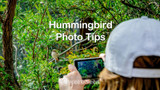
Hummingbirds are such engaging, gorgeous birds, what bird photographer doesn’t want to capture stunning images of these flying jewels? While there are some unique challenges to photographing hummingbirds, you do not have to be a professional photographer or have thousands of dollars of equipment to get beautiful images of beautiful hummers.
Challenges of Photographing Hummingbirds
It’s easy to see why hummingbirds can be so difficult to photograph. These tiny birds measure just 3-4 inches long, which can make good photos a problem without good quality zoom lenses. Their green plumage can blend in well with leaves and bushes, making hummingbirds harder to spot despite some occasional brilliant colors.
Furthermore, a hummingbird’s fast flight makes it more likely to be a blur or to fly out of frame even before you can push the shutter button. Because these birds are such accomplished aeronauts, they don’t always perch to give photographers the time to craft a perfect shot, but there are ways to make hummingbird photography easier.
Tips for Great Hummingbird Photos
Simple steps can help any photographer get even better pictures of hummingbirds, regardless of their equipment or expertise. To make the most beautiful hummingbird photos…
- Attract More Hummingbirds
The more hummers you have flitting about your yard, the more photo opportunities you will have and the greater your chances of getting the most amazing shots. Add extra nectar feeders, plant more nectar-rich flowers, add splashes of red with gazing balls or other decorations, and offer a mister or splashing fountain to bring the most hummingbirds to your yard. - Study the Birds
If you know your visiting hummingbirds very well you will be better able to predict their movements and set up phenomenal photography opportunities. Consider keeping a journal to note when the feeders are busiest, what flowers they seem to prefer, where their favorite perches may be, and any behavioral quirks so you can use that information to plan photo sessions or specific shots. - Learn Your Equipment
You can’t take the best possible photos if you aren’t confident in your equipment and know how to use it properly. Whether you have a simple point-and-shoot camera, a more elaborate setup, or just use your phone, understanding different features like zoom, burst shots, shutter speed, flash options, and light meters can help you craft amazing photos with ease. - Create Perches for Hummingbirds
To bring hummingbirds right to you for the best shots, create perches for them at the best distances for your equipment. You can use a hummingbird swing, position a feeder at the right spot, or just use a thin branch in the right area to coax one of these busy birds to take a brief rest – just long enough for your photos! Trim away other perches to remove competing spots to encourage their cooperation. - Wear Red for Close-Ups
While most bird photography tips include wearing muted tones or camouflage to stay hidden from birds, hummingbirds are more curious and may come right up to you if you’re wearing red, pink, or any sort of bright floral print. This can give you unparalleled opportunities for close-up views and fun behavioral shots as the birds investigate! A bright hat or even attaching a fake flower to a hat can also work. - Experiment
Take the time to experiment with your camera and enjoy photographing your hummingbirds from different angles, at different times of day, in different light situations, and with other changes just to better learn what works best. The more you practice with composition, settings, and other factors, the better you will learn what works best for your specific location, birds, and photo preferences.
The Most Important Tip of All
No matter what techniques you use to photograph hummingbirds, the most important consideration should always be the birds’ safety and welfare. Take care to keep your distance from the birds (let them come to you as they feel comfortable!) and avoid stressing them out. Especially keep quiet and away from any nests to give mother hummingbirds the best possible space to raise their young.
Be patient! Just as it takes time to learn hummingbird identification, it takes time to refine your photography techniques to capture the best images of these tiny birds, but the results will be worthwhile!