
The Hummingbird Hawk-Moth
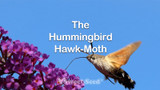
Every dedicated birder knows that hummingbirds are only found in the Americas, from Alaska and Canada through the Caribbean to the tip of South America. So what is the tiny flier hovering in the garden and sipping at flowers from Iceland to Egypt to India to Japan? Meet the hummingbird hawk-moth.
About the Moth That Isn’t a Hummingbird
The hummingbird hawk-moth (Macroglossum stellatarum) is named because of its uncanny resemblance to hummingbirds in size, shape, and behavior. Part of the Sphingidae insect family, these moths are also sometimes called “hummingbird moths” or “bee months” as well as “sphinx moths” because their larval stage resembles the iconic Egyptian sphinx (though I don’t personally see that likeness).
Hummingbird moths are found worldwide, and there are roughly 1,450 different species of these insects. The hummingbird hawk-moth is one of the most widespread that is not found anywhere near actual hummingbird ranges.
Vagrant hummingbirds could possibly show up in Iceland or Western Europe. In fact, they have, with confirmed sightings of both rufous hummingbirds (Selasphorus rufus) and green violet-ears (Colibri thalassinus) on rare occasions, most likely as storm-driven vagrants. Such an extremely rare sighting can be very exciting, and it’s not surprising that European birders might be eagerly hoping to spot a true hummingbird.
The hummingbird hawk-moth is easily mistaken for a hummingbird. Not only is it small with a rather oval-shaped body, but it hovers at the same nectar-right, tubular-shaped flowers that hummingbirds would frequent. These insects even make a subtle “humming” noise while in flight, just as some hummingbirds do.
The moth’s long, thin proboscis can look similar to a hummingbird’s needle-thin bill, particularly for a quick look or if the insect is at a bit of a distance. The proboscis is flexible, however, and often has a distinct “crook” or bend as the insects feed, which a hummingbird’s bill cannot do.
Nevertheless, these moths can be interesting to see and can be nurtured in the same way as hummingbirds. Providing nectar-rich flowers with different bloom times can keep these insects coming back for every meal, and they may even learn to visit nectar feeders. They are helpers in the garden as well, because just like hummingbirds, hummingbird hawk-moths are important pollinators and can help improve floral blooms and garden yields.
Other Hummingbirds That Aren’t Hummingbirds
While birders might be disappointed that the hummingbird hawk-moth isn’t actually a hummingbird, these insects are far from the only thing named for these favorite birds. Other hummingbirds that aren’t really hummingbirds include:
- Hummingbird Cake – A sweet tropical spice cake that often includes banana, pineapple, and other fruit favors.
- Gibson Hummingbird – A square-shouldered dreadnought acoustic guitar first introduced by Gibson, Inc. in 1960.
- Hummingbird Highway – A cross-country highway in Belize that stretches across the mountains from Belmopan to Dangriga.
- Hummingbird Carpet – A drought-tolerant, generally low-growing perennial plant with plentiful trumpet-shaped flowers.
- Hummingbird Pose – The Sucirandhrasana yoga pose that promotes agility and flexibility, especially of the spine and shoulders.
Many other things are also named after these feisty birds, including different models of helicopters, lightweight planes, mobile processors, apps, search algorithms, music bands, films, books, and so much more. What is your favorite non-hummingbird hummingbird?